What it is
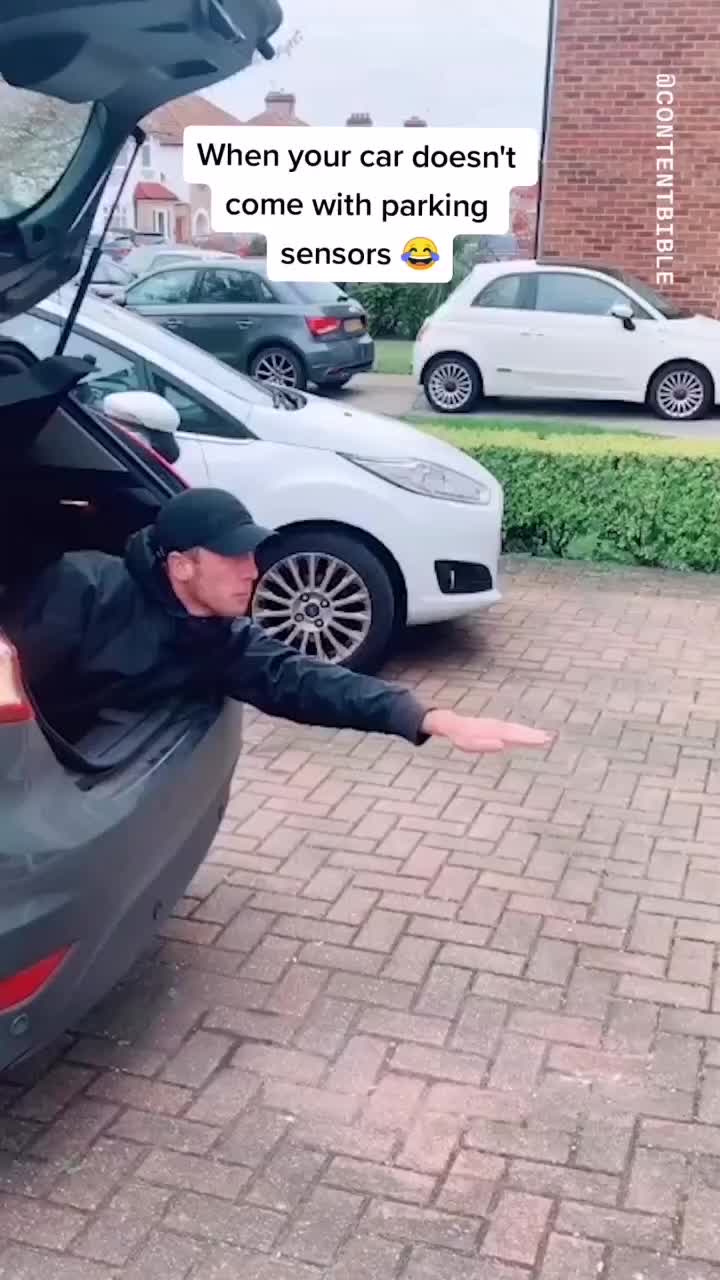
A hook that places two mismatched elements on screen at once (visual vs. caption, person vs. setting, claim vs. evidence) without ever naming the clash. The incongruity is implied, never stated. The viewer's mind automatically flags "these don't fit" and stays to resolve the contradiction. The tension comes from juxtaposition the brain notices before language does.
Why it works
The brain is a prediction engine that runs continuous pattern-matching; an unresolved mismatch triggers an automatic orienting response you can't consciously switch off. Because the clash is implied rather than spoken, the viewer does the cognitive work of detecting it, which creates ownership and investment. Stating the contradiction outright would resolve the tension; leaving it implicit keeps the open loop alive until you pay it off, buying watch time.
Example
A creator in a pristine, suit-and-tie boardroom holds up a crumpled fast-food bag while the caption reads "This is a $40,000 watch." Nothing in the audio explains the mismatch. The polished setting, the greasy bag, and the luxury-watch claim refuse to add up, so the viewer keeps watching to learn how all three reconcile, which they do at the payoff.
How to use it
Pick your core payoff, then deliberately stage one element in frame one that contradicts it visually or contextually. Pair a high-status setting with a low-status object, a calm face with an alarming caption, or a confident claim with disconfirming evidence. Critically, do not verbalize the clash; let the frame and caption carry it so the viewer notices on their own. Hold the unresolved state for two to four seconds, then begin paying it off. Test by muting: if the mismatch still reads, it works.