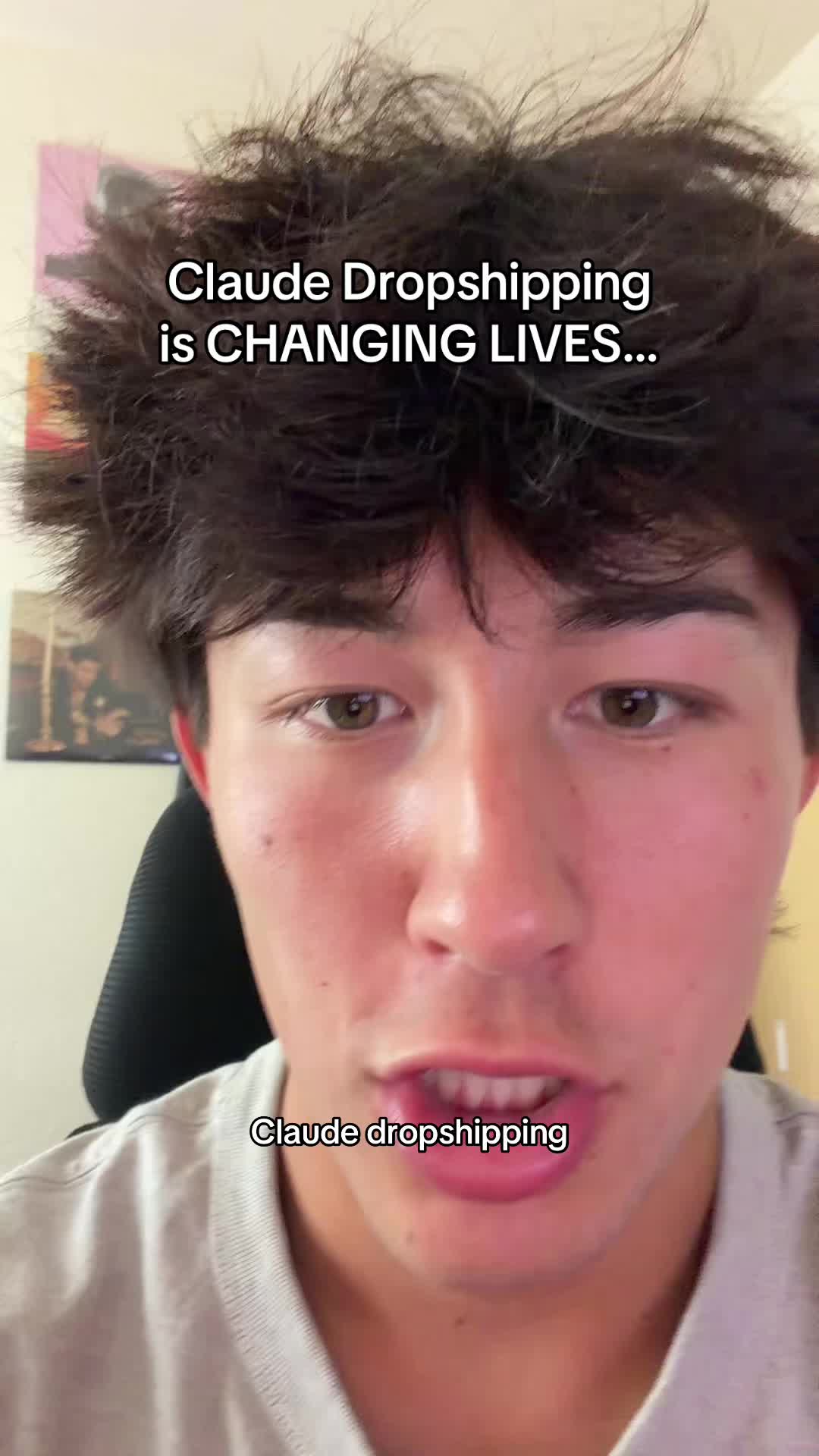
What it is
Pain-State Mirroring is a retention move where the opening seconds reflect the viewer's specific suffering back at them in granular, lived-in detail, before any solution. Distinct from a generic pain-point hook, it mirrors the internal state, the moment, the self-talk, the physical sensation, so the viewer thinks "this is literally me right now," producing recognition shock that locks attention.
Why it works
It triggers self-recognition, which the brain processes as personally relevant and therefore safe to keep watching. Naming a private feeling someone assumed was theirs alone creates instant trust and the feeling of being understood, which lowers skepticism. The unresolved tension of seeing your problem stated but not yet solved opens a curiosity loop. Mirroring also flatters: the creator clearly "gets it," so whatever they say next inherits credibility before it's earned.
Example
A skincare video opens on a tired face: "It's 11pm, you're exhausted, but you're standing at the mirror picking at the same bump that won't go away, telling yourself you'll fix your routine tomorrow." No product yet, no tip. The viewer's own midnight ritual is described back to them beat for beat, including the procrastination lie, before the creator says, "Here's why that bump keeps coming back."
How to use it
Skip the broad complaint and reconstruct one specific moment your viewer lives. Name the time of day, the physical sensation, the exact thought they tell themselves, the small shameful behavior they think nobody sees. Use second person ("you're," "you keep") and present tense to put them inside it. Spend the first three to five seconds purely mirroring, no solution, no pitch. Pull details from real comments, DMs, and reviews so the specificity is authentic, not invented. Only after they feel seen do you pivot to the cause or fix.