Format anatomy
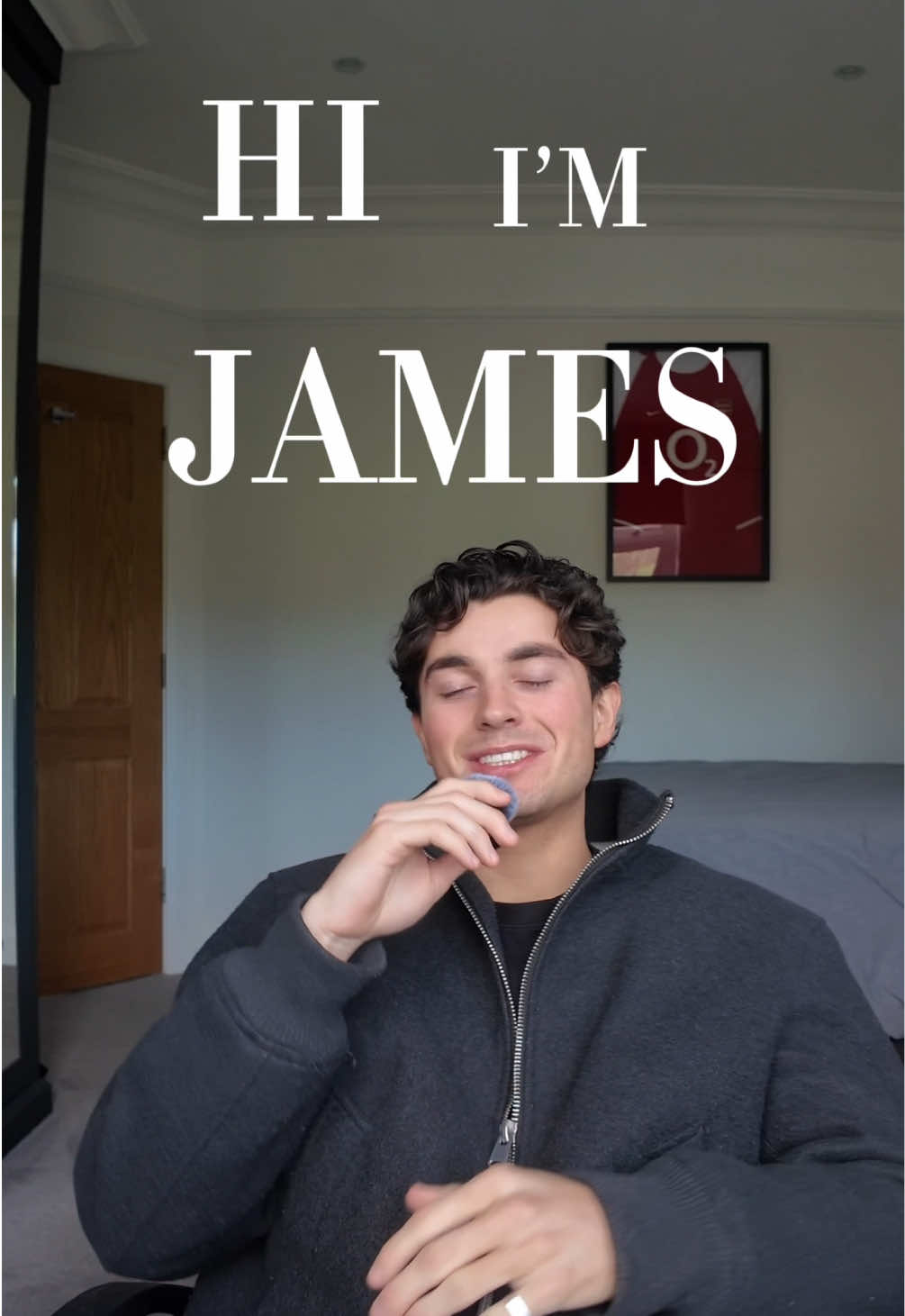
HOOK · 0s–6s · Direct address
Founder delivers a bold, exasperated claim ('This should've existed years ago!') directly to camera, positioning the product as an obvious cultural gap rather than a novel invention. The framing triggers instant curiosity about what 'it' is.
- Mechanism
- Overdue Invention Claim — Framing a product as something that should already exist bypasses skepticism — viewers feel agreement before they even know the product, creating parasocial alignment with the founder's frustration.
- Key element
- Identity-Before-Product Reveal
- Avoid
- Vague Frustration
SETUP · 6s–14s · Problem framing
Host names the relatable problem the app solves — likely the difficulty of reconnecting with people from your past — grounding the bold claim in a universal, felt experience. This earns emotional buy-in before any product screen appears.
- Mechanism
- Shared Pain Anchor — Articulating a problem the audience already feels converts passive viewers into invested prospects; they are now watching for a solution to their own life, not just a demo.
- Key element
- Universal Experience Mirror
- Avoid
- Over-Explaining the Problem
DEMO · 14s–30s · Screen walkthrough
The app UI is shown on screen — likely with the host narrating key features such as search, reconnect flows, or match suggestions — translating the emotional setup into tangible product proof. This is the core credibility payload of the video.
- Mechanism
- See-It-To-Believe-It Proof — Live screen demonstration collapses the gap between aspiration and reality; showing the actual interface makes the product feel immediately accessible and real rather than theoretical.
- Key element
- Feature-as-Story Beat
- Avoid
- Feature Dump Without Narrative
PAYOFF · 30s–40s · Vision close
Host zooms out from the demo to restate the aspirational outcome — reconnecting with people who mattered, filling a gap in social infrastructure — closing the emotional loop opened by the hook and reinforcing the 'overdue' framing.
- Mechanism
- Aspiration Loop Close — Returning to the original emotional claim after showing proof creates a satisfying narrative arc; the viewer feels the journey from problem to solution has been completed, rewarding watch-through.
- Key element
- Mirror-Back Emotional Callback
- Avoid
- Flat Feature Summary
CTA · 40s–47s · Soft ask
Host directs viewers to find the app — likely via a link-in-bio or save prompt — using aspirational language that frames the action as joining a movement rather than downloading a product.
- Mechanism
- Movement Framing CTA — Positioning the download as participation in something culturally necessary (not just a transaction) lowers resistance and aligns with the aspirational emotion sustained throughout the video.
- Key element
- Action as Identity Statement
- Avoid
- Generic 'Download Now' Language